
AIMS:
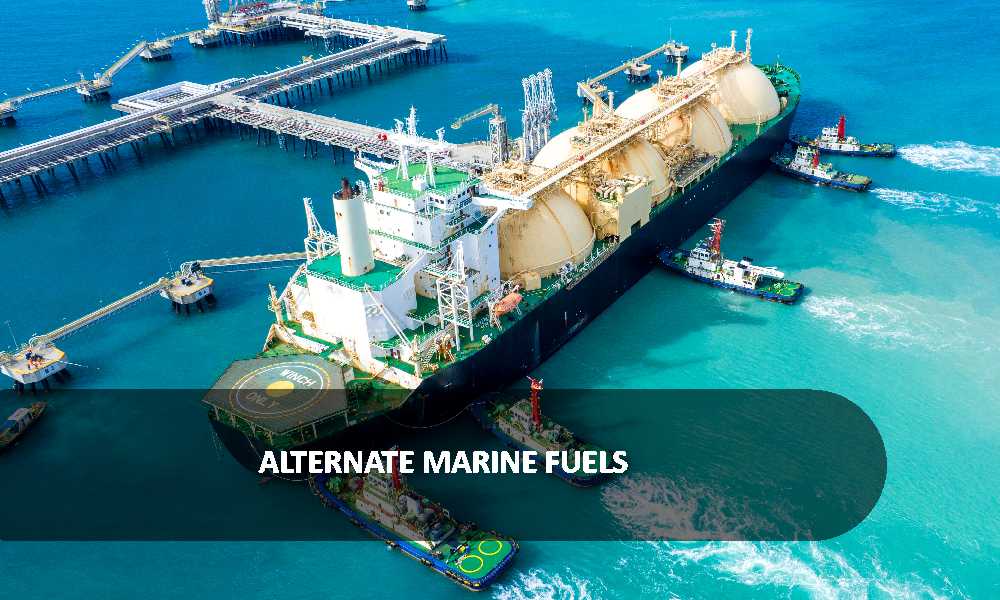
- To provide participants with a comprehensive understanding of the transition from conventional fuels to alternate/green marine fuels and its implications for shipping and port operations.
- To create awareness of international regulations, including IMO decarbonisation strategies and environmental mandates related to the use of alternate fuels.
- To highlight the safety challenges, inspection regimes, and training requirements associated with various alternative marine fuels.
OBJECTIVES:
Upon successful completion of this course, participants will be able to:
- Explain the role of the shipping industry in global economics and its contribution to greenhouse gas (GHG) emissions.
- Identify the key drivers and global regulations promoting the use of alternative fuels in maritime transport.Describe various types of alternative marine fuels, their characteristics, and applicability in the maritime sector.
- Evaluate the operational, safety, and environmental considerations of each fuel type.
- Understand the importance of specialised training for both ship and shore-based personnel handling green fuels.
- Recognise changes in inspection and compliance frameworks, including Port State Control (PSC) and SIRE 2.0.
- Compare the advantages and disadvantages of different alternative fuels in the context of technical feasibility, safety, and emissions reduction.
COURSE CONTENT :
- Introduction and Overview of Green Shipping
- Impact of Shipping on Greenhouse Gas Emissions (GHG)
- Overview of Safety and Best Practices
- Liquefied Natural Gas (LNG) as Marine Fuel
- Hydrogen and Marine Systems
- Methanol and Biomethane (Biogas) for Marine Use
- (Bio) Ethanol in Marine Systems
- Biodiesel for Maritime Application
- Ammonia as Marine Fuel
- Battery-Powered Marine Systems
- Alternative Marine Fuels – Summary and Comparison
- Teacher: AIMS MARITIME
Modules: 11
Skill Level: Beginner
