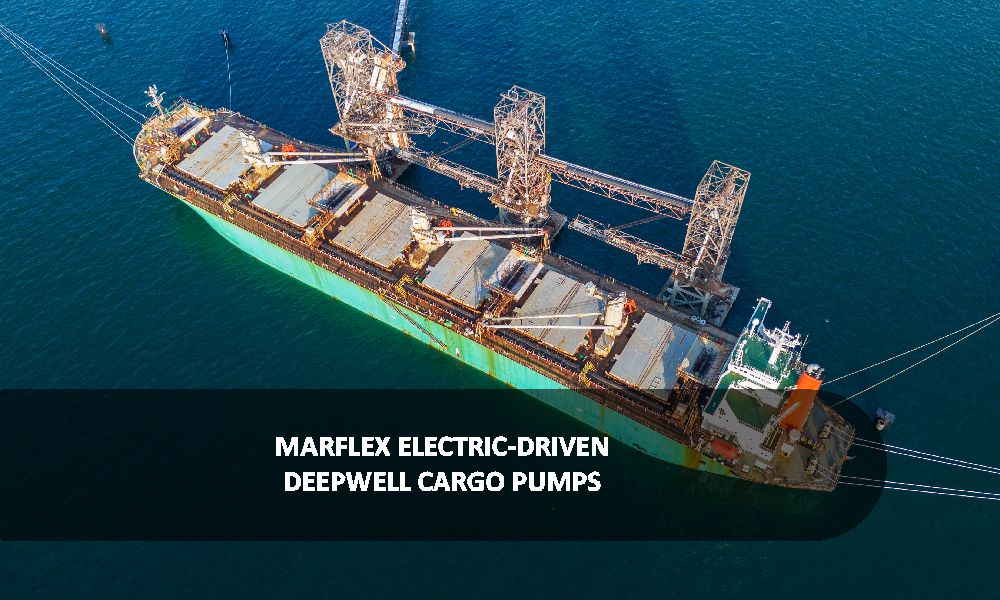
Marflex Electric-Driven Deepwell Cargo Pumps

0 Students Enrolled
Price
0 Students Enrolled
Language English ‎(en)‎

Course Overview

Aims

To provide participants with a clear, practical, and in-depth understanding of Marflex electric-driven deepwell cargo pumps, focusing on design philosophy, operation, control systems, maintenance, troubleshooting, and safe cargo handling practices on chemical and product tankers.

Objectives

On completion of this course, participants will be able to:

  • Understand the design concept and operating principle of Marflex electric deepwell pumps
  • Explain why electric-drive deepwell pumps are preferred over hydraulic systems
  • Identify and describe all major components: deck arrangement, pipe stack, and pump head
  • Operate Marflex deepwell pumps safely under varying cargo conditions
  • Apply correct speed control methods based on cargo properties
  • Understand oil-lubricated shaft systems and their advantages over cargo-lubricated designs
  • Monitor seal integrity, cofferdam condition, and leakage detection
  • Carry out correct stripping procedures in compliance with IMO requirements
  • Recognise common faults, alarms, and abnormal operating conditions
  • Perform routine checks and first-line maintenance safely and effectively
  • Improve cargo discharge efficiency while minimizing wear, cavitation, and residual cargo


Course Modules

Module 1: Introduction to Marflex Deepwell Pumps

  • Overview of deepwell cargo pumping systems
  • Evolution from cargo-lubricated to oil-lubricated shaft designs
  • Comparison of Marflex (electric drive) and hydraulic deepwell pumps
  • Typical applications on chemical and product tankers

Module 2: Electric Drive Philosophy and Advantages

  • Electric motor-driven deepwell pump concept
  • Explosion-proof and class-approved motor requirements
  • Comparison: electric drive vs hydraulic drive
  • System efficiency, noise levels, cleanliness, and maintenance benefits
  • Long-term operational and lifecycle advantages

Module 3: Construction and Pump Design Overview

  • Vertical single-stage centrifugal pump principle
  • Influence of capacity, head, specific gravity, and viscosity on pump selection
  • Single vs double design concept
  • Importance of high-speed capability in single-stage pumps

Module 4: Main Sections of Marflex Deepwell Pump

  • Overview of the four main sections:
    • Electric motor (on deck)
    • Deck arrangement
    • Pipe stack
    • Pump head
  • Functional relationship between sections

Module 5: Deck Arrangement

  • Motor installation and alignment
  • Top cover and deck trunk arrangement
  • Coupling between motor shaft and intermediate shaft
  • Safety, accessibility, and maintenance considerations on deck

Module 6: Speed Control Methods

  • One-speed electric motors and their applications
  • Electric shaft principle for inland barges
  • Variable speed control using frequency converters (VFDs)

VFD Advantages

  • Energy efficiency and load matching
  • Soft start and reduced generator stress
  • Independent pump control
  • Reduced cavitation and mechanical wear
  • Integration with cargo monitoring and automation systems
  • Programmable control based on:
    • Cargo viscosity
    • Specific gravity
    • Liquid level
    • Discharge optimization

Module 7: Pipe Stack Design and Intermediate Shaft System

  • Dual-pipe concept:
    • Discharge pipe
    • Shaft enclosure pipe
  • Oil-lubricated intermediate shaft arrangement
  • Material selection and advantages (42CrMo4V steel)
  • Bearing design: composite bearings with FPM flexible members
  • Shaft support arrangement at 6-metre intervals
  • Axial load distribution and spline connection advantages
  • Long service life and reduced alignment issues

Module 8: Pump Head Construction

  • Pump head layout and components
  • Disconnection and maintenance philosophy
  • Spline connection between intermediate shaft and pump shaft
  • Pump shaft material (32CrNiMo6V) and its advantages
  • Impeller function and hydraulic performance

Module 9: Seal Arrangement and Cofferdam System

  • Purpose of seal systems in deepwell pumps
  • Oil side seal and cargo side seal arrangement
  • Double cargo seals and atmospheric drainage chamber (cofferdam)
  • Cofferdam purging lines and monitoring
  • Leakage detection and seal condition monitoring
  • Crew-level seal replacement and maintenance benefits

Module 10: Lubrication System

  • Oil-lubricated shaft principle
  • Comparison with cargo-lubricated shaft systems
  • Lubrication monitoring and oil condition checks
  • Overheating prevention and explosion safety
  • Expected service life and reliability

Module 11: Operational Procedures

  • Pre-start checks
  • Starting and stopping procedures
  • Pump operation at different cargo properties
  • Monitoring pressure, temperature, vibration, and current
  • Avoiding dry running and cavitation

Module 12: Stripping Procedures and Residual Cargo Minimisation

  • Purpose of stripping operations
  • Stripping valve and main cargo valve operation
  • Use of inert gas or air under pressure
  • Role of impeller as a dynamic foot valve
  • Pump running during stripping
  • Compliance with IMO requirements
  • Environmental and cargo loss considerations

Module 13: Safety Considerations

  • Explosion protection philosophy
  • Static electricity and cargo compatibility
  • Safe purging practices
  • Emergency shutdown considerations
  • Permit-to-work relevance during maintenance

Module 14: Routine Inspection and Maintenance

  • Daily, voyage, and cargo-operation checks
  • Monitoring bearings, seals, and lubrication
  • Common wear areas
  • Record keeping and planned maintenance systems

Module 15: Troubleshooting and Common Faults

  • Abnormal vibration and noise
  • Reduced discharge rate
  • High motor load
  • Seal leakage indications
  • Cavitation symptoms and corrective actions

Module 16: Best Practices and Operational Efficiency

  • Optimising discharge time
  • Reducing energy consumption
  • Extending pump and seal life
  • Crew coordination during cargo operations
  • Lessons learned from service experience

Course Content

Instructors

Loading...

Reviews

0

0 Course Rating

0%
0%
0%
0%
0%

Reviews

Enrolment options

Aims

To provide participants with a clear, practical, and in-depth understanding of Marflex electric-driven deepwell cargo pumps, focusing on design philosophy, operation, control systems, maintenance, troubleshooting, and safe cargo handling practices on chemical and product tankers.

Objectives

On completion of this course, participants will be able to:

  • Understand the design concept and operating principle of Marflex electric deepwell pumps
  • Explain why electric-drive deepwell pumps are preferred over hydraulic systems
  • Identify and describe all major components: deck arrangement, pipe stack, and pump head
  • Operate Marflex deepwell pumps safely under varying cargo conditions
  • Apply correct speed control methods based on cargo properties
  • Understand oil-lubricated shaft systems and their advantages over cargo-lubricated designs
  • Monitor seal integrity, cofferdam condition, and leakage detection
  • Carry out correct stripping procedures in compliance with IMO requirements
  • Recognise common faults, alarms, and abnormal operating conditions
  • Perform routine checks and first-line maintenance safely and effectively
  • Improve cargo discharge efficiency while minimizing wear, cavitation, and residual cargo


Course Modules

Module 1: Introduction to Marflex Deepwell Pumps

  • Overview of deepwell cargo pumping systems
  • Evolution from cargo-lubricated to oil-lubricated shaft designs
  • Comparison of Marflex (electric drive) and hydraulic deepwell pumps
  • Typical applications on chemical and product tankers

Module 2: Electric Drive Philosophy and Advantages

  • Electric motor-driven deepwell pump concept
  • Explosion-proof and class-approved motor requirements
  • Comparison: electric drive vs hydraulic drive
  • System efficiency, noise levels, cleanliness, and maintenance benefits
  • Long-term operational and lifecycle advantages

Module 3: Construction and Pump Design Overview

  • Vertical single-stage centrifugal pump principle
  • Influence of capacity, head, specific gravity, and viscosity on pump selection
  • Single vs double design concept
  • Importance of high-speed capability in single-stage pumps

Module 4: Main Sections of Marflex Deepwell Pump

  • Overview of the four main sections:
    • Electric motor (on deck)
    • Deck arrangement
    • Pipe stack
    • Pump head
  • Functional relationship between sections

Module 5: Deck Arrangement

  • Motor installation and alignment
  • Top cover and deck trunk arrangement
  • Coupling between motor shaft and intermediate shaft
  • Safety, accessibility, and maintenance considerations on deck

Module 6: Speed Control Methods

  • One-speed electric motors and their applications
  • Electric shaft principle for inland barges
  • Variable speed control using frequency converters (VFDs)

VFD Advantages

  • Energy efficiency and load matching
  • Soft start and reduced generator stress
  • Independent pump control
  • Reduced cavitation and mechanical wear
  • Integration with cargo monitoring and automation systems
  • Programmable control based on:
    • Cargo viscosity
    • Specific gravity
    • Liquid level
    • Discharge optimization

Module 7: Pipe Stack Design and Intermediate Shaft System

  • Dual-pipe concept:
    • Discharge pipe
    • Shaft enclosure pipe
  • Oil-lubricated intermediate shaft arrangement
  • Material selection and advantages (42CrMo4V steel)
  • Bearing design: composite bearings with FPM flexible members
  • Shaft support arrangement at 6-metre intervals
  • Axial load distribution and spline connection advantages
  • Long service life and reduced alignment issues

Module 8: Pump Head Construction

  • Pump head layout and components
  • Disconnection and maintenance philosophy
  • Spline connection between intermediate shaft and pump shaft
  • Pump shaft material (32CrNiMo6V) and its advantages
  • Impeller function and hydraulic performance

Module 9: Seal Arrangement and Cofferdam System

  • Purpose of seal systems in deepwell pumps
  • Oil side seal and cargo side seal arrangement
  • Double cargo seals and atmospheric drainage chamber (cofferdam)
  • Cofferdam purging lines and monitoring
  • Leakage detection and seal condition monitoring
  • Crew-level seal replacement and maintenance benefits

Module 10: Lubrication System

  • Oil-lubricated shaft principle
  • Comparison with cargo-lubricated shaft systems
  • Lubrication monitoring and oil condition checks
  • Overheating prevention and explosion safety
  • Expected service life and reliability

Module 11: Operational Procedures

  • Pre-start checks
  • Starting and stopping procedures
  • Pump operation at different cargo properties
  • Monitoring pressure, temperature, vibration, and current
  • Avoiding dry running and cavitation

Module 12: Stripping Procedures and Residual Cargo Minimisation

  • Purpose of stripping operations
  • Stripping valve and main cargo valve operation
  • Use of inert gas or air under pressure
  • Role of impeller as a dynamic foot valve
  • Pump running during stripping
  • Compliance with IMO requirements
  • Environmental and cargo loss considerations

Module 13: Safety Considerations

  • Explosion protection philosophy
  • Static electricity and cargo compatibility
  • Safe purging practices
  • Emergency shutdown considerations
  • Permit-to-work relevance during maintenance

Module 14: Routine Inspection and Maintenance

  • Daily, voyage, and cargo-operation checks
  • Monitoring bearings, seals, and lubrication
  • Common wear areas
  • Record keeping and planned maintenance systems

Module 15: Troubleshooting and Common Faults

  • Abnormal vibration and noise
  • Reduced discharge rate
  • High motor load
  • Seal leakage indications
  • Cavitation symptoms and corrective actions

Module 16: Best Practices and Operational Efficiency

  • Optimising discharge time
  • Reducing energy consumption
  • Extending pump and seal life
  • Crew coordination during cargo operations
  • Lessons learned from service experience

Guests cannot access this course. Please log in.

Related Courses

Marine Engineering Skill Development Courses
AIMS MARITIME
AIMS MARITIME

Aims To give participants a clear understanding of how the Headway OceanGuard BW...

0
(0)
5 lessons
Marine Engineering Skill Development Courses
AIMS MARITIME
AIMS MARITIME

Aims By the end of this course, participants will be able to: 1.      Understa...

0
(0)
5 lessons
Marine Engineering Skill Development Courses
AIMS MARITIME
AIMS MARITIME

Aims:To provide marine engineers with the knowledge and skills necessary to effe...

0
(0)
5 lessons
Marine Engineering Skill Development Courses
AIMS MARITIME
AIMS MARITIME

Upon completing the E-O.R.B. Management course, participants will be able to:. A...

0
(0)
5 lessons

Latest Courses

Marine Engineering Skill Development Courses
AIMS MARITIME
AIMS MARITIME

Aims To give participants a clear understanding of how the Headway OceanGuard BW...

0
(0)
5 lessons
AIMS MARITIME
AIMS MARITIME

Aims: To promote the physical health, fitness, and nutritional awareness o...

0
(0)
5 lessons
Marine Engineering Skill Development Courses
AIMS MARITIME
AIMS MARITIME

Aims By the end of this course, participants will be able to: 1.      Understa...

0
(0)
5 lessons
AIMS MARITIME
AIMS MARITIME

Aims To develop a clear understanding of large vessel handling principles and e...

0
(0)
5 lessons
AIMS MARITIME
AIMS MARITIME

Aim: To provide seafarers with the knowledge, awareness, and competence to reco...

0
(0)
5 lessons
AIMS MARITIME
AIMS MARITIME

Aims To develop leadership skills tailored for shipboard command roles. T...

0
(0)
5 lessons
AIMS MARITIME
AIMS MARITIME

Aims: To promote awareness of how substance abuse affects physical health,...

0
(0)
5 lessons
AIMS MARITIME
AIMS MARITIME

Aims This course aims to enhance seafarers’ understanding of human factors in m...

0
(0)
5 lessons
AIMS MARITIME
AIMS MARITIME

Aims This course aims to equip seafarers, officers, and shore-based staff with ...

0
(0)
5 lessons
AIMS MARITIME
AIMS MARITIME

Aims This course aims to promote the physical, mental, and social wellbeing of ...

0
(0)
5 lessons
AIMS MARITIME
AIMS MARITIME

Aims The aim of this course is to provide seafarers with knowledge of ISO 14001...

0
(0)
5 lessons
AIMS MARITIME
AIMS MARITIME

Aims The aim of this course is to equip seafarers with the knowledge, skills, a...

0
(0)
5 lessons
loader image